

USE CASES
Robotics &
Teleoperation
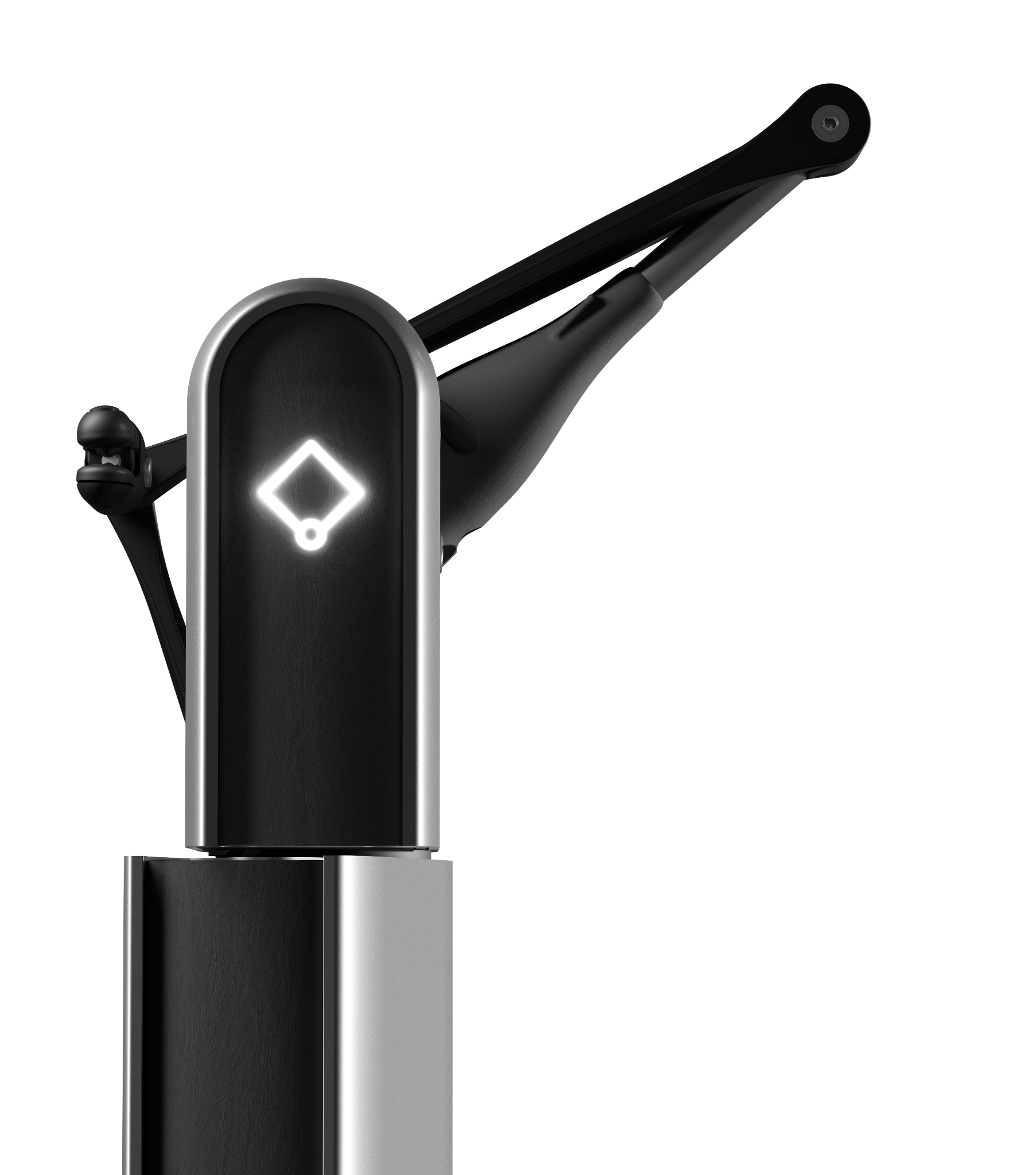
Haply haptic controllers give robotics teams force-aware control of robotic arms and remote systems, with a more natural control path for operators and technical teams.

WORKFLOW OVERVIEW
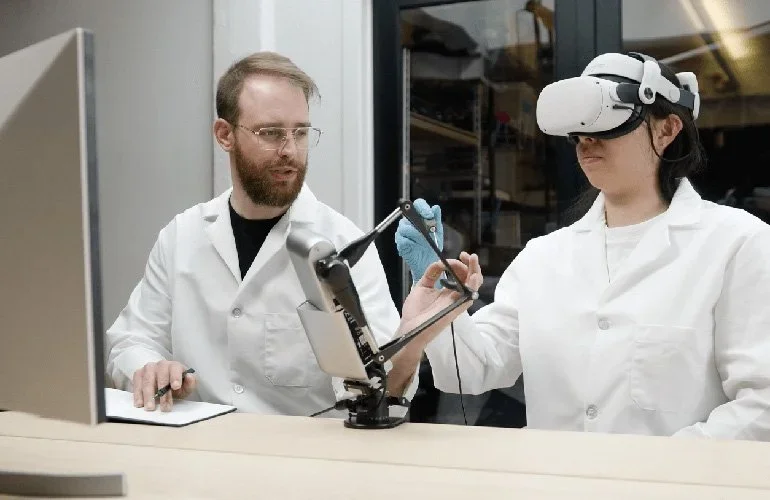
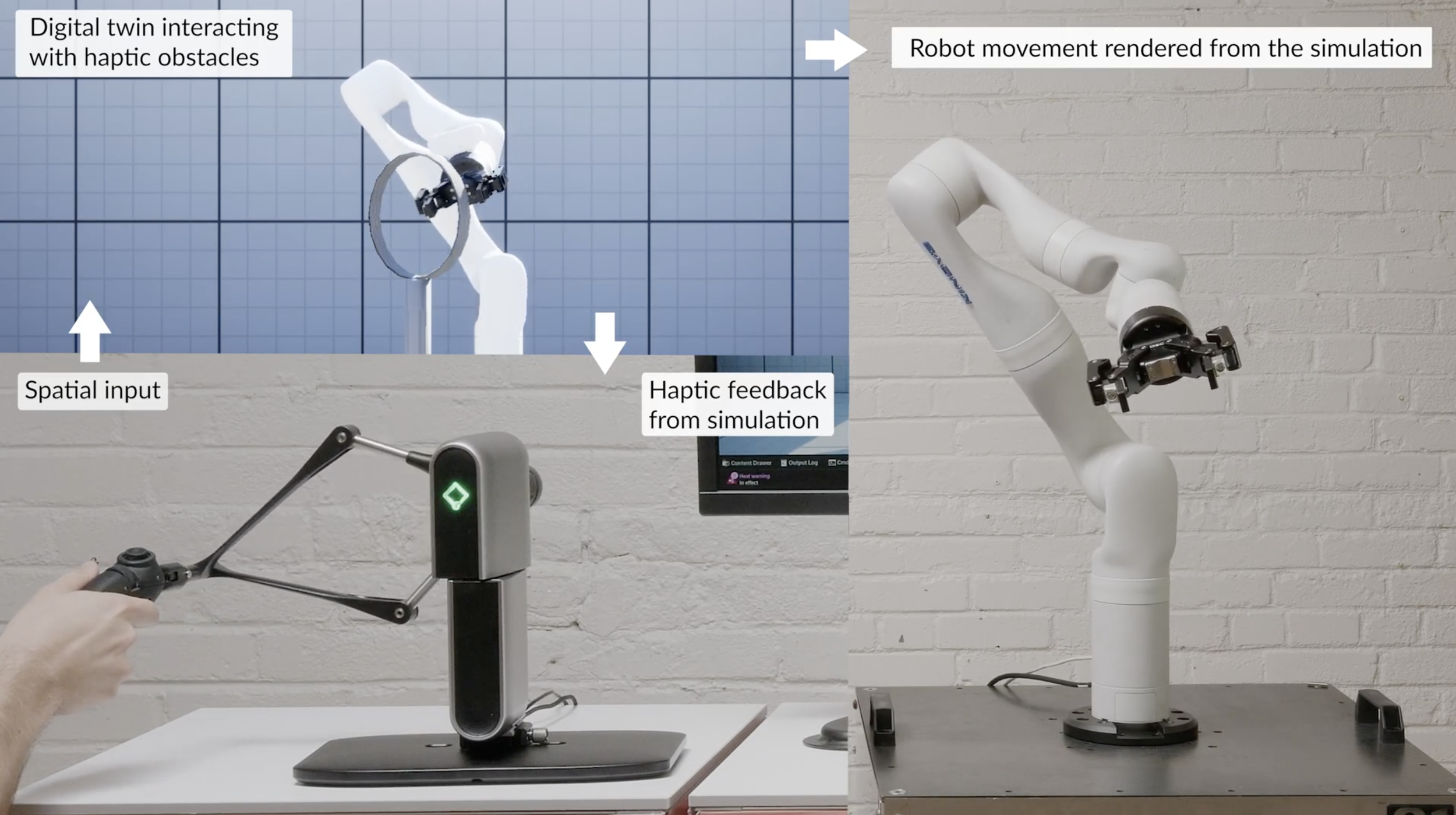
Haptic teleoperation lets operators control remote robotic systems while feeling cues such as contact, resistance, motion, and position. This helps make remote robot control feel more physical and responsive.
Workflow challenge
THE CHALLENGE
Remote robotic systems can be difficult to control when operators rely only on visual feedback and standard input devices. Without force feedback, it can be harder to judge contact, resistance, motion, and position across robotic arms, mobile robots, drones, autonomous systems, and other remote platforms.
HAPLY SOLUTION
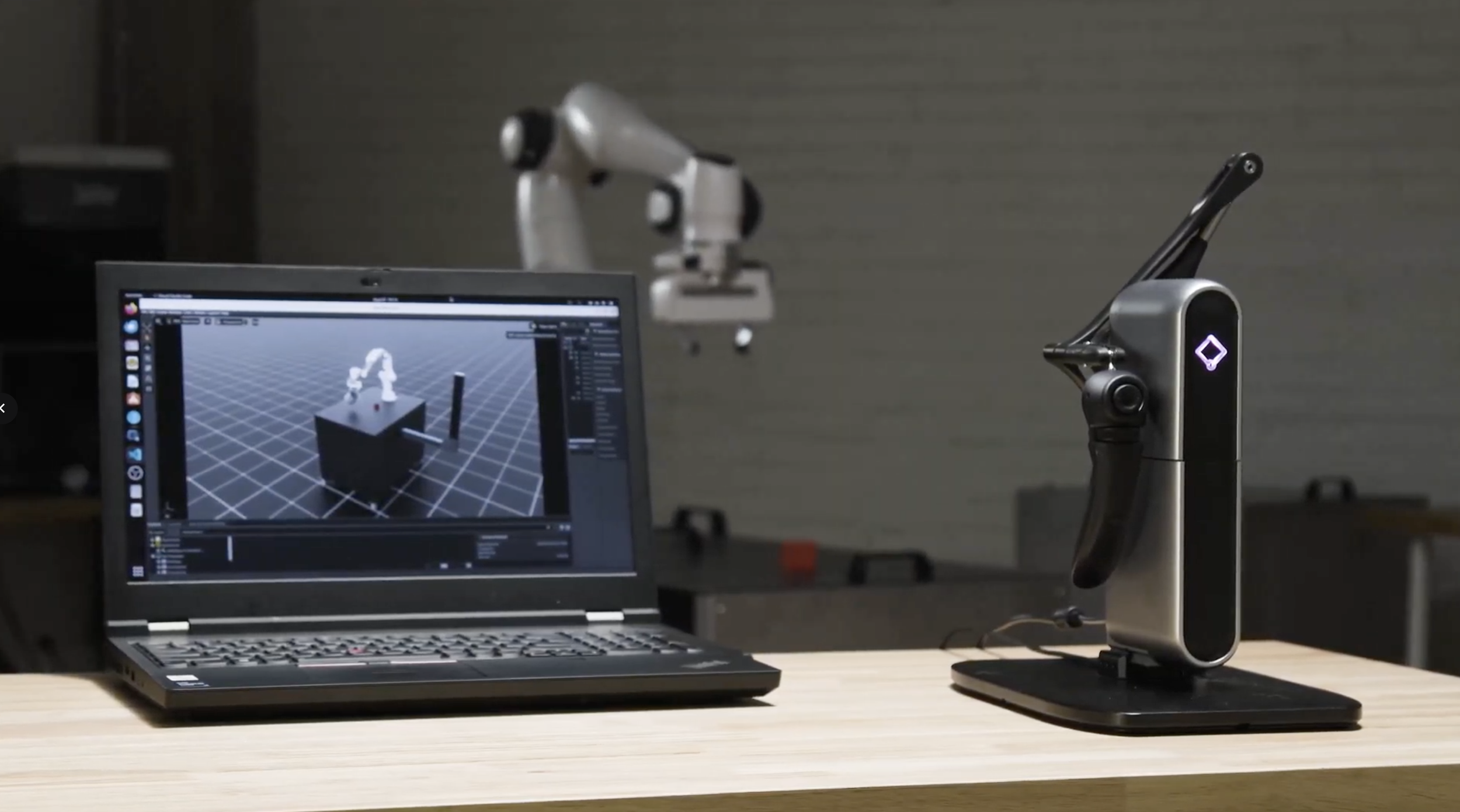
Haply devices help operators feel physical cues from robotic systems in real time, supporting more responsive teleoperation, human-guided robot training, and remote control workflows where spatial awareness and operator input matter.
APPLICATION SCENARIOS
Common ways this workflow is used

Robot arm teleoperation
Control robotic arms and manipulators with force feedback so operators can feel contact, resistance, and motion while guiding remote or delicate tasks.

Remote systems, drones, and mobile robots
Support teleoperation workflows for robotic arms, mobile robots, drones, autonomous systems, and remote platforms used in space robotics, underwater inspection, or other hard-to-reach environments.

Human-guided robot training and Physical AI
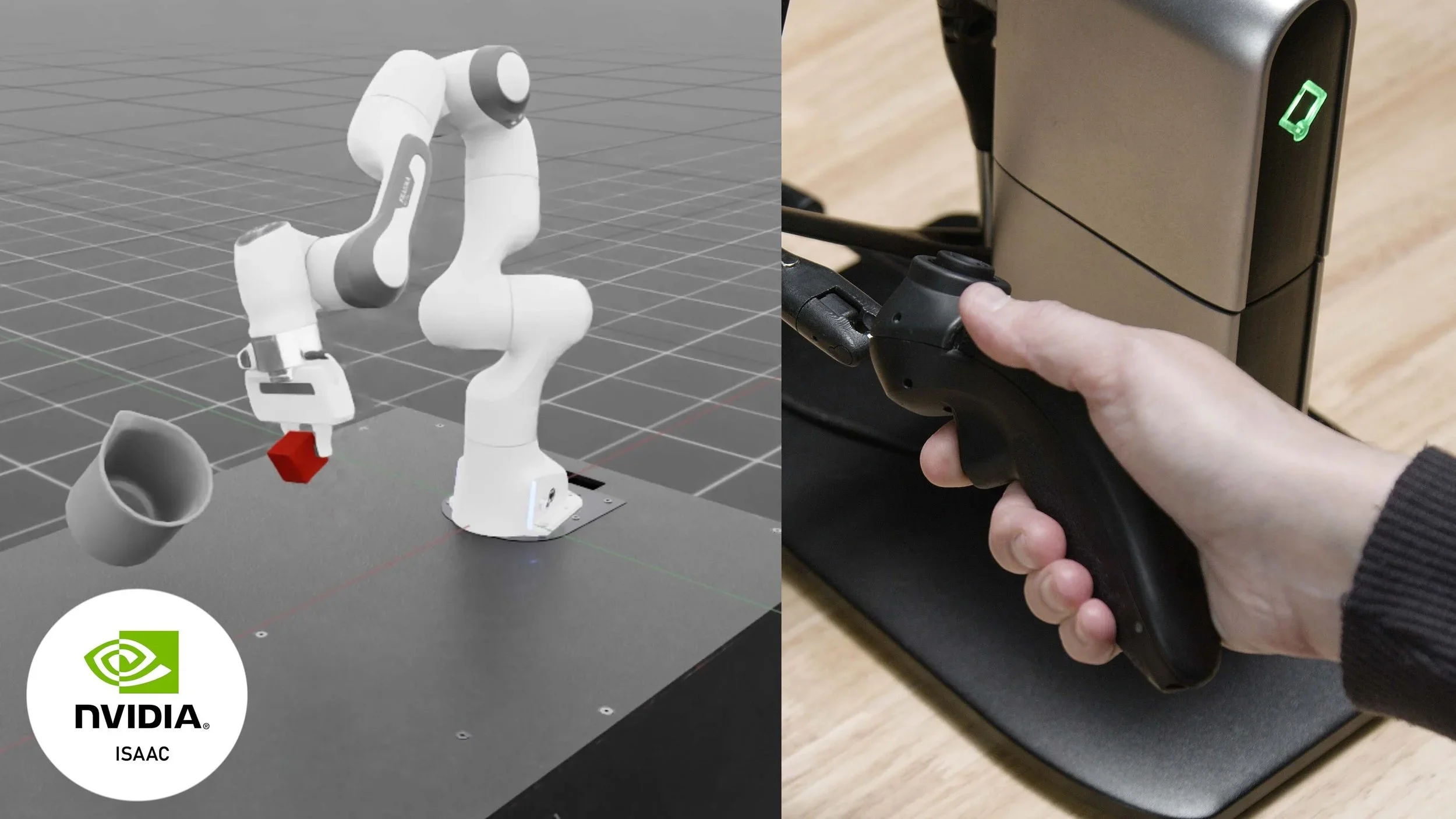
Use haptic control to demonstrate tasks, capture motion trajectories, grasp strategies, and operator corrections that can support robot-learning pipelines and Physical AI workflows.

APPLICATION EXAMPLES




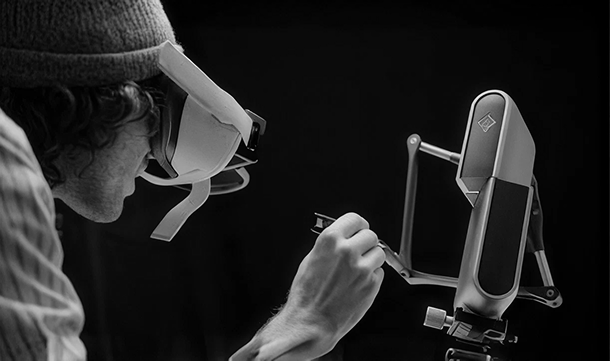
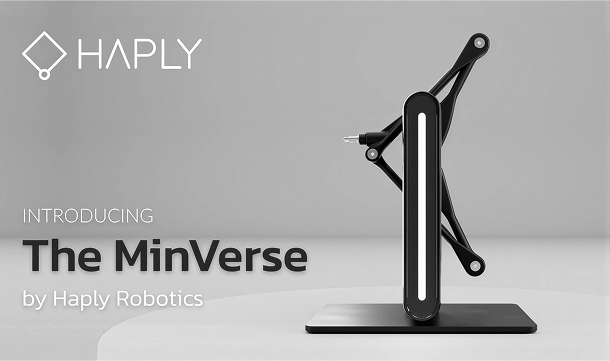
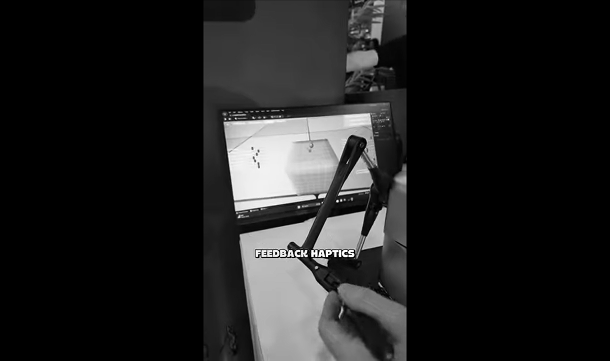
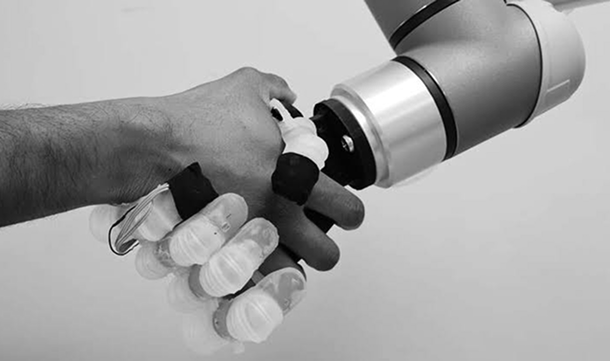
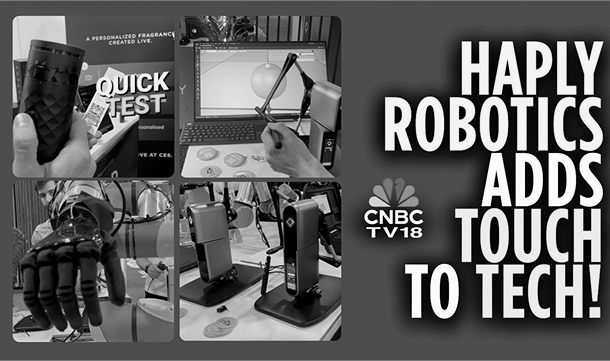
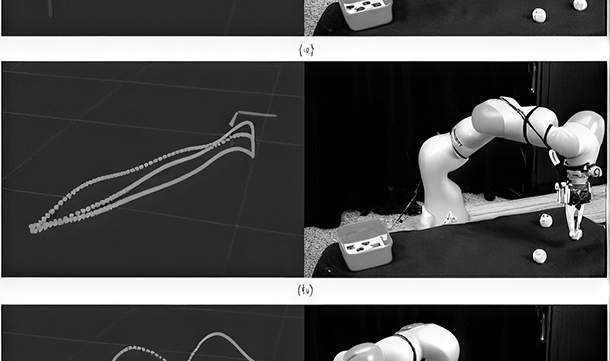
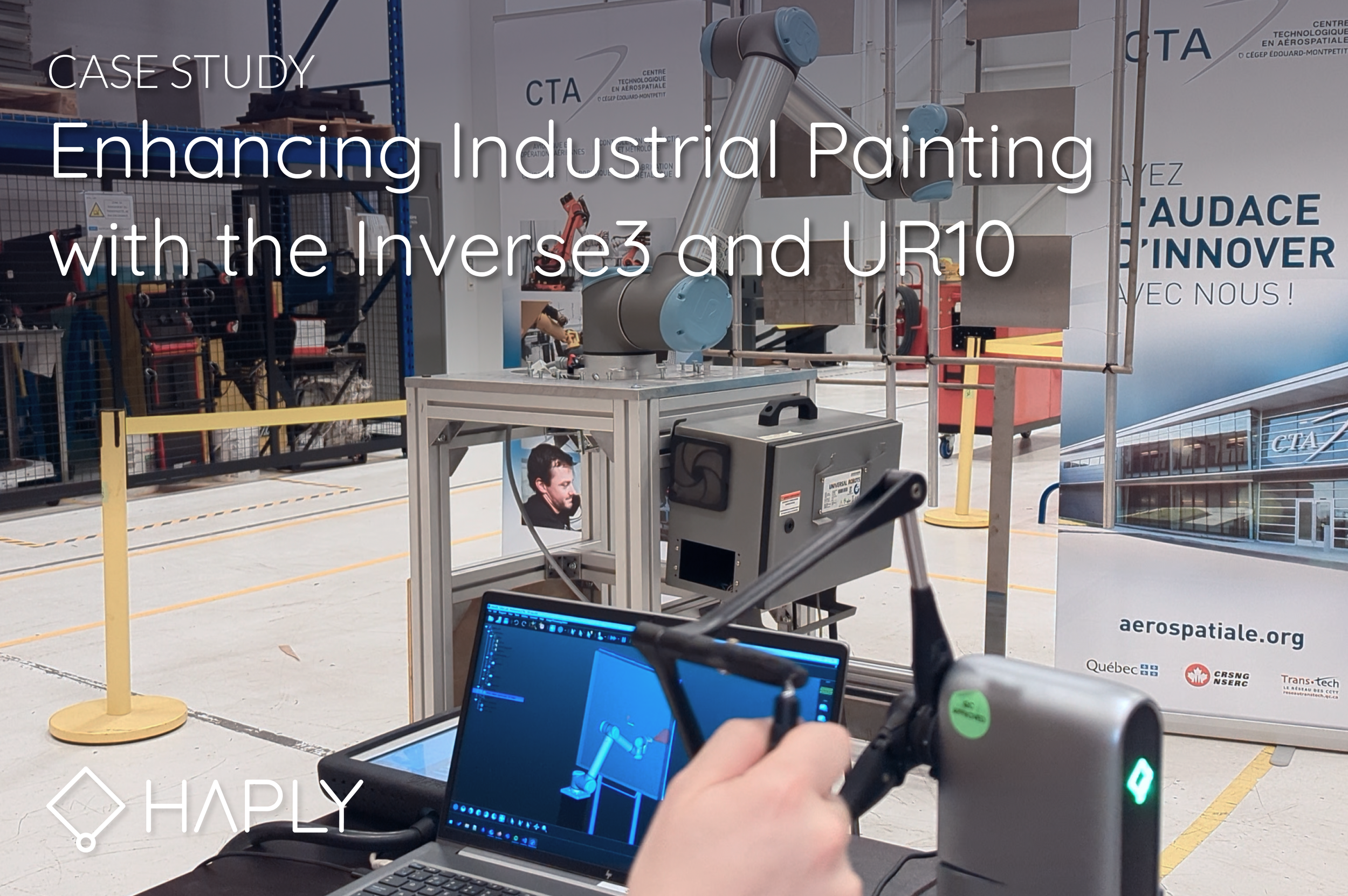
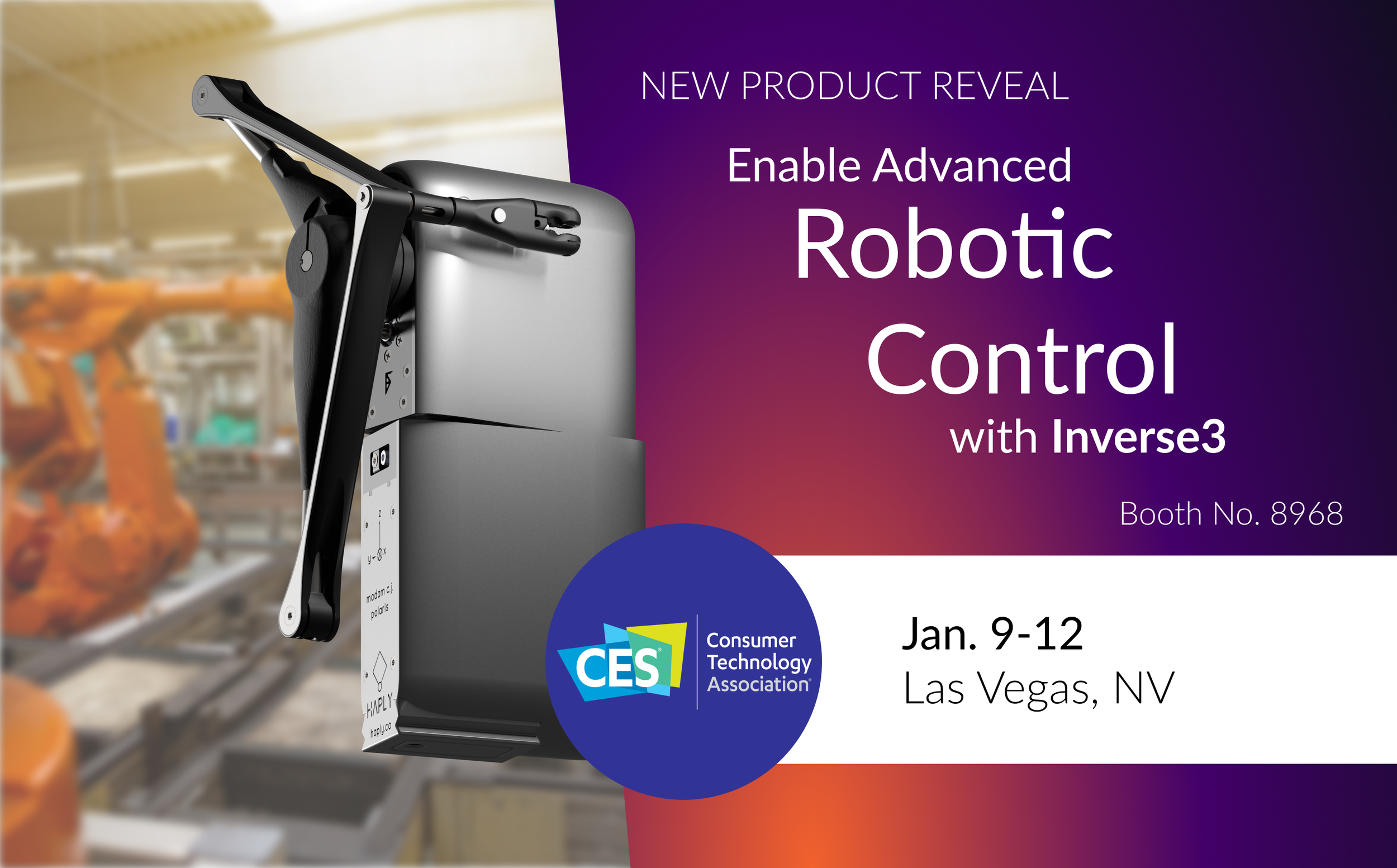
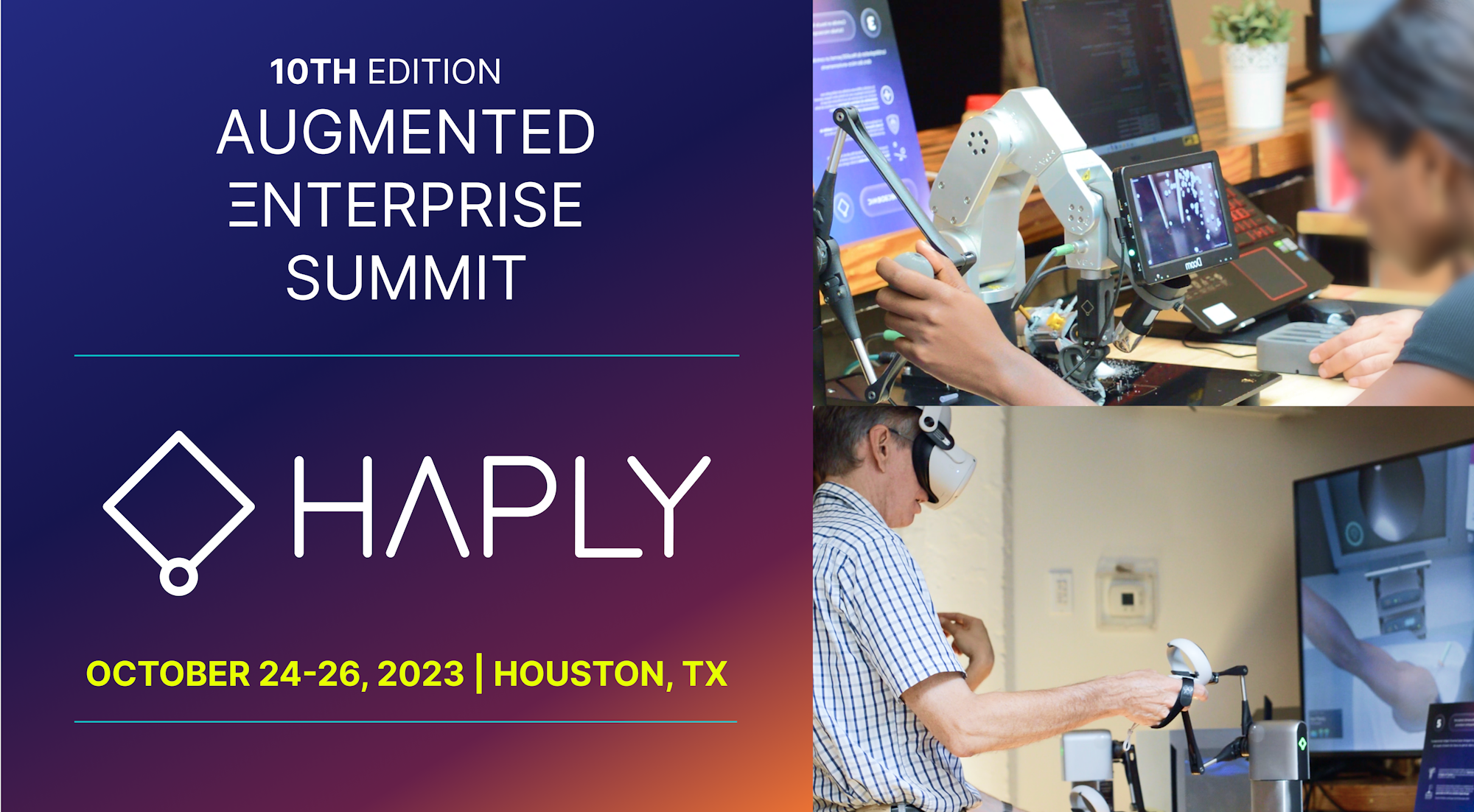
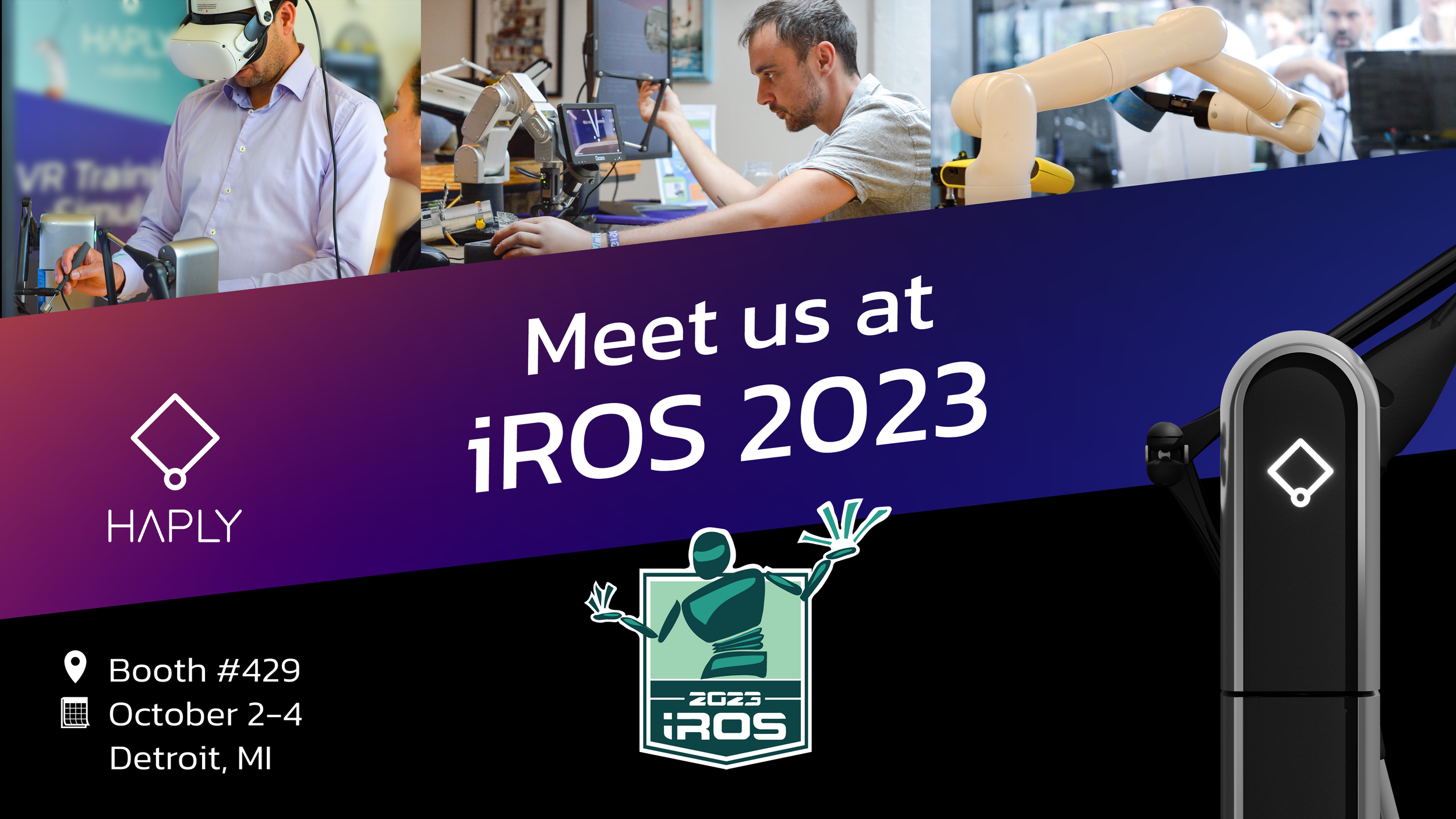

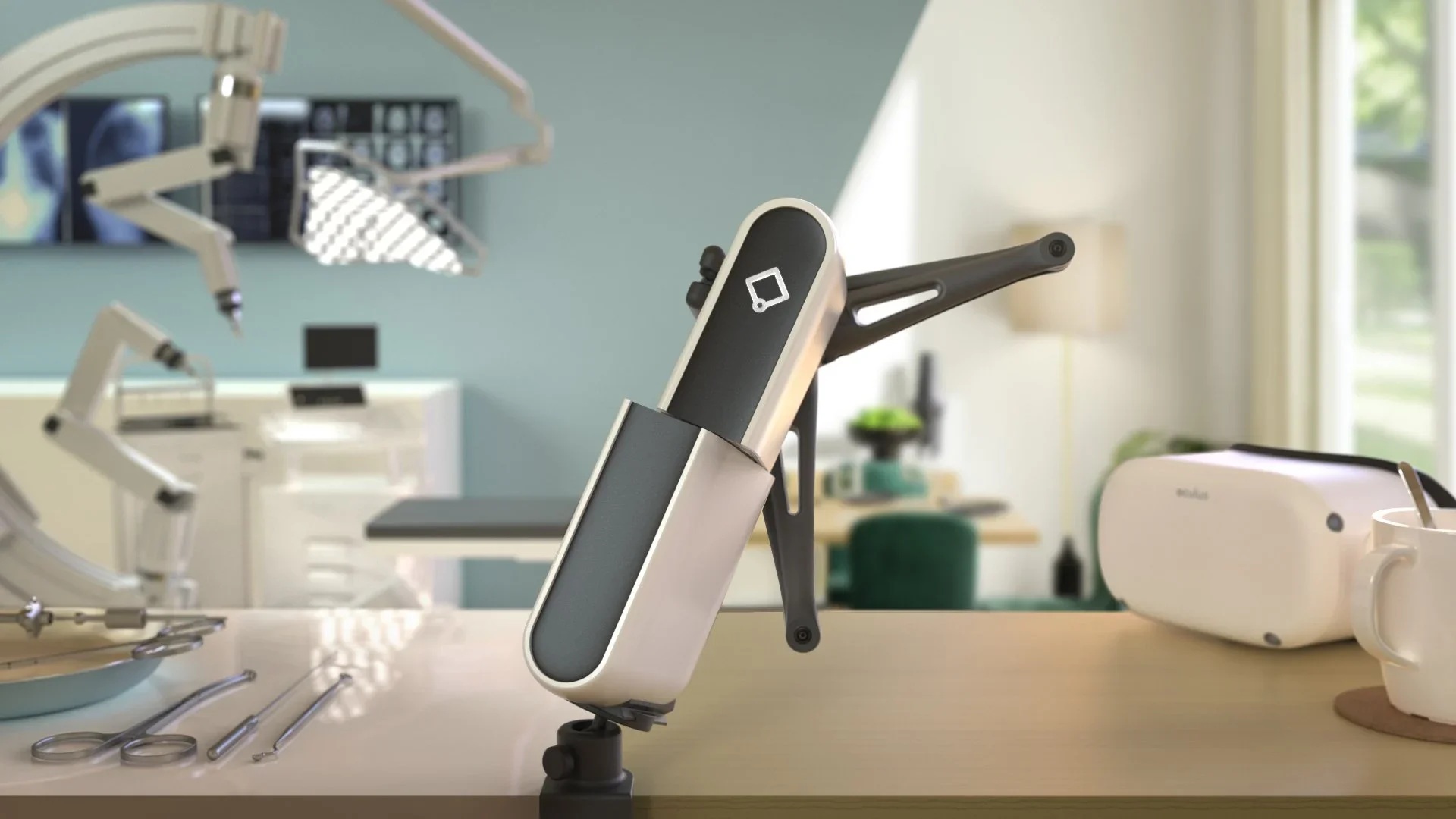
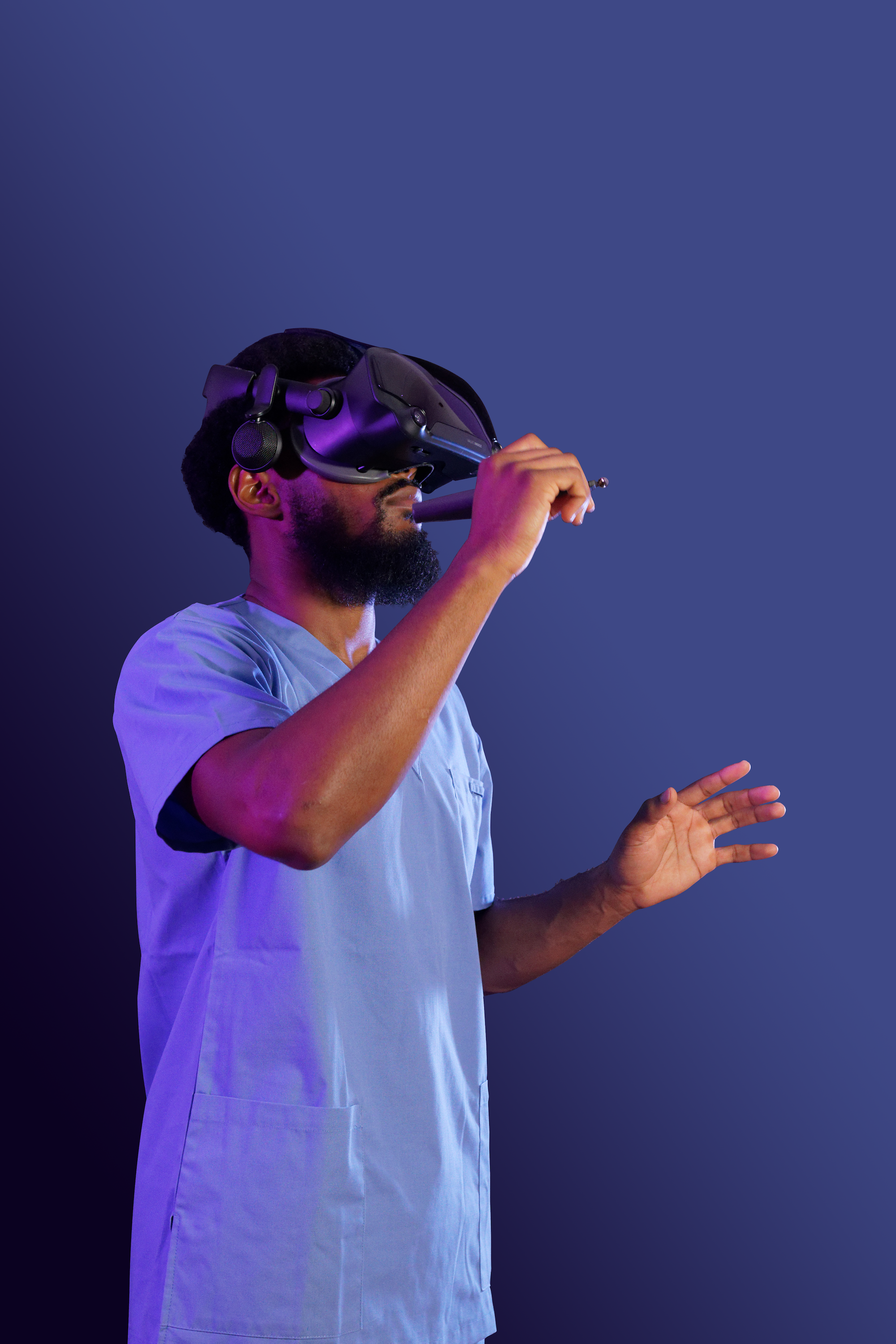
Real-world applications
COMMON QUESTIONS
Common Questions
-
Force feedback lets operators feel resistance, contact, and texture from the robot's end effector, the same information their hands would have if doing the task directly. This reduces task time, error rates, and cognitive load.
-
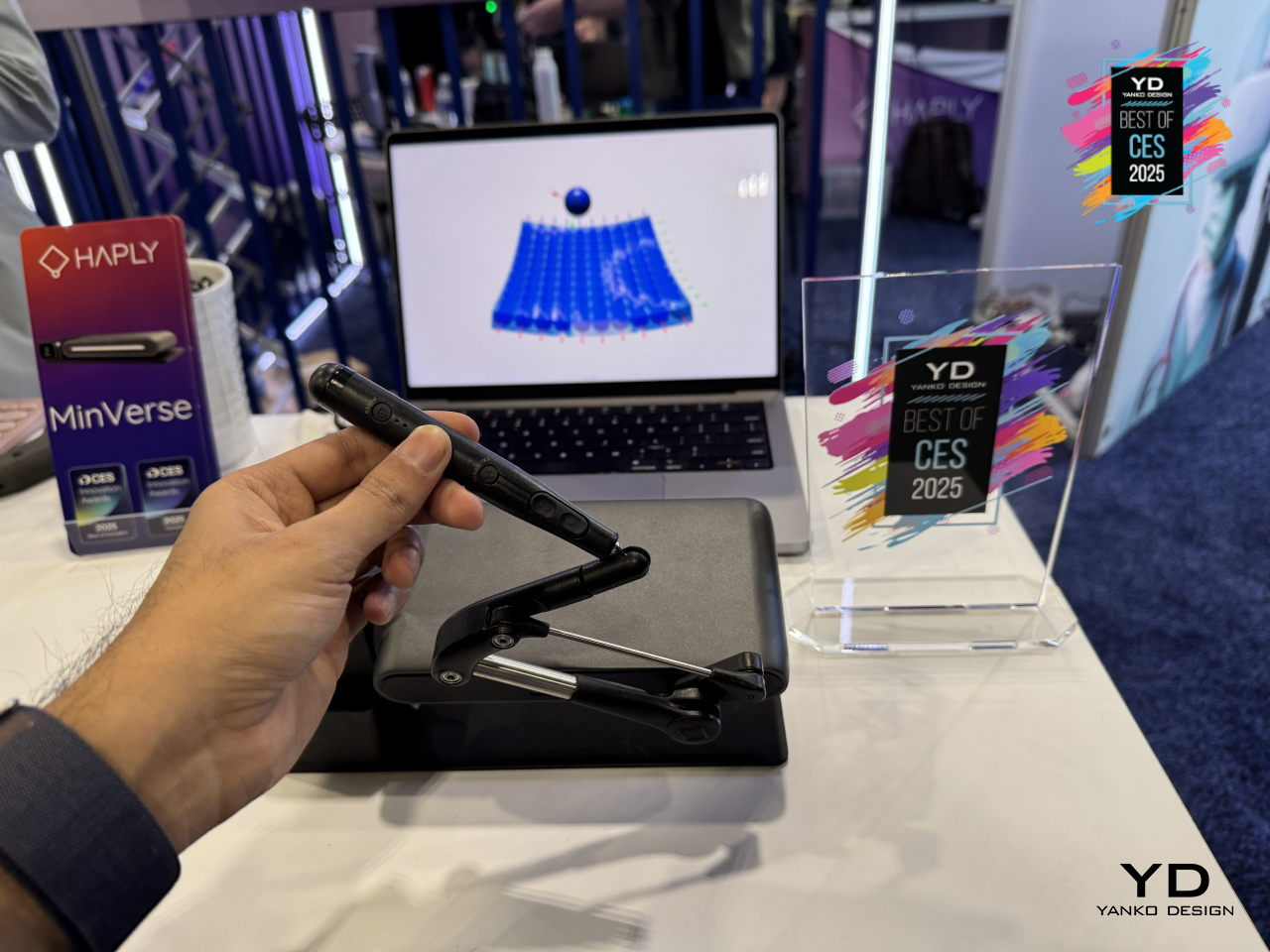
Inverse3 is a common starting point for robotics research and teleoperation. Inverse3x is recommended for enterprise or demanding performance requirements. HARP adds record-and-replay capability for workflow automation.
-
Haply can support robotics teams exploring custom development or integration paths. The right approach depends on the application, hardware setup, and development requirements, so we recommend speaking with our team to understand fit and scope.
-
Yes. Haply devices can support teleoperation and remote robotic control workflows for robotic arms, mobile robots, drones, and other remote systems where force feedback, spatial control, or operator input are important. Product fit depends on the hardware, control environment, and integration requirements.
-
Haptic input helps robotic systems capture human motion, touch, and intent during teleoperation. In Haply workflows, devices like Inverse3x and HARP can support human-guided robot control, tactile programming, data capture, and physical AI training workflows.
Building a robotics or teleoperation workflow?
Talk to an Expert about your project, and we'll help you evaluate the right product and integration path.