

USE CASES
Medical Simulation
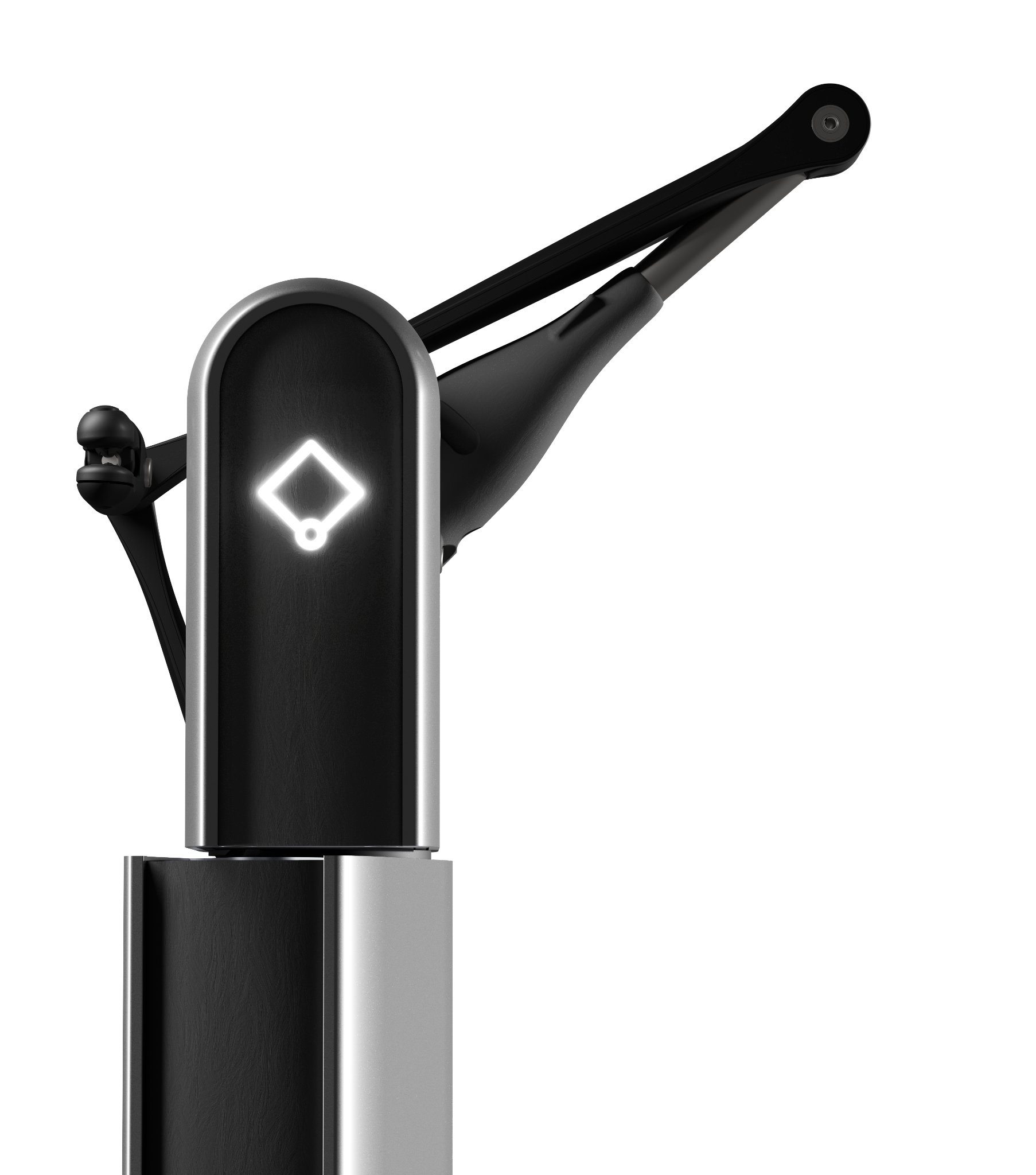
Haply brings realistic force feedback to medical simulation, helping training teams create more tactile, repeatable, and immersive clinical learning environments.

WORKFLOW OVERVIEW
Medical simulation with haptics helps trainees practise procedures with tactile cues such as pressure, resistance, contact, fit, and tool control. This can support training concepts where physical feedback is important to skill development.
Workflow challenge
THE CHALLENGE
Medical, surgical, rehabilitation, orthotics, prosthetics, and procedural training can depend on physical cues such as pressure, resistance, contact, fit, and tool control. Visual-only simulation can make it harder to practise the tactile judgement required in these environments.
HAPLY SOLUTION
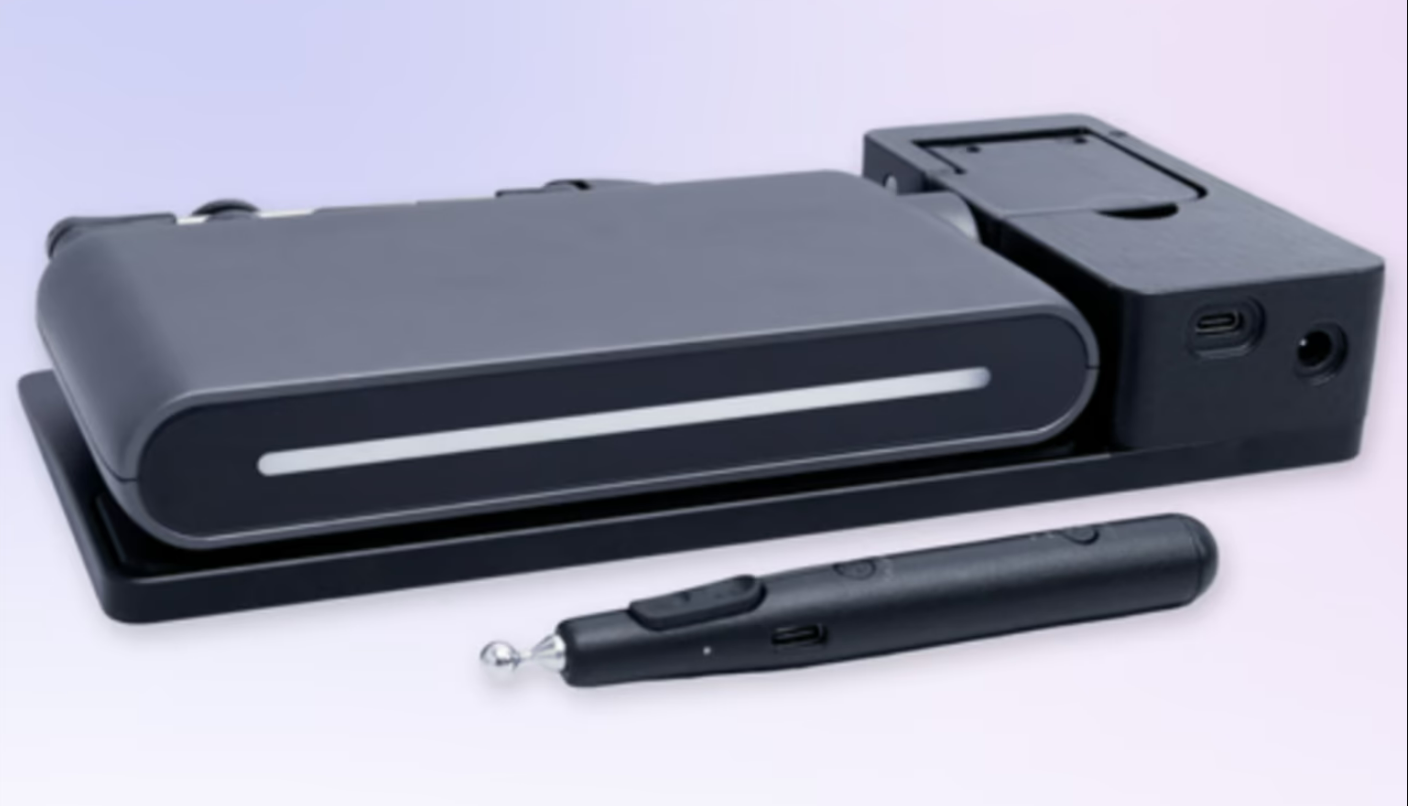
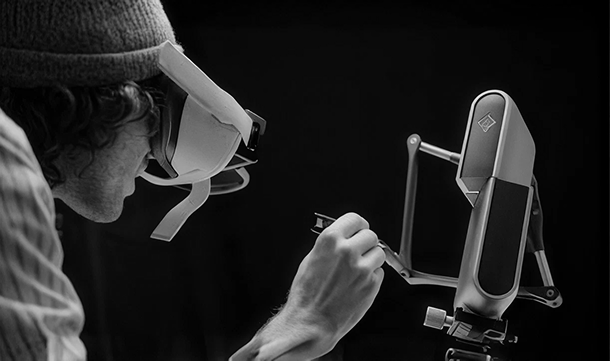
Haply devices can support medical, rehabilitation, and procedural simulation concepts by adding force feedback and tactile interaction to digital training environments. Product fit depends on the procedure, simulation environment, and performance requirements.
APPLICATION SCENARIOS
Common ways this workflow is used

Surgical and procedural training
Support training environments where users need to feel pressure, resistance, contact, and tool interaction while practising surgical or procedural skills.

Clinical, rehabilitation, orthotics, and prosthetics simulation
Support simulation and training concepts where tactile cues such as fit, pressure, resistance, contact, and tool control are important for medical, rehabilitation, orthotics, prosthetics, and assistive technology workflows.

Medical robotics and remote simulation development
Support teams exploring haptics for medical robotics, remote interaction, surgical simulation, and advanced training environments where performance requirements vary by application.

APPLICATION EXAMPLES
Real-world applications
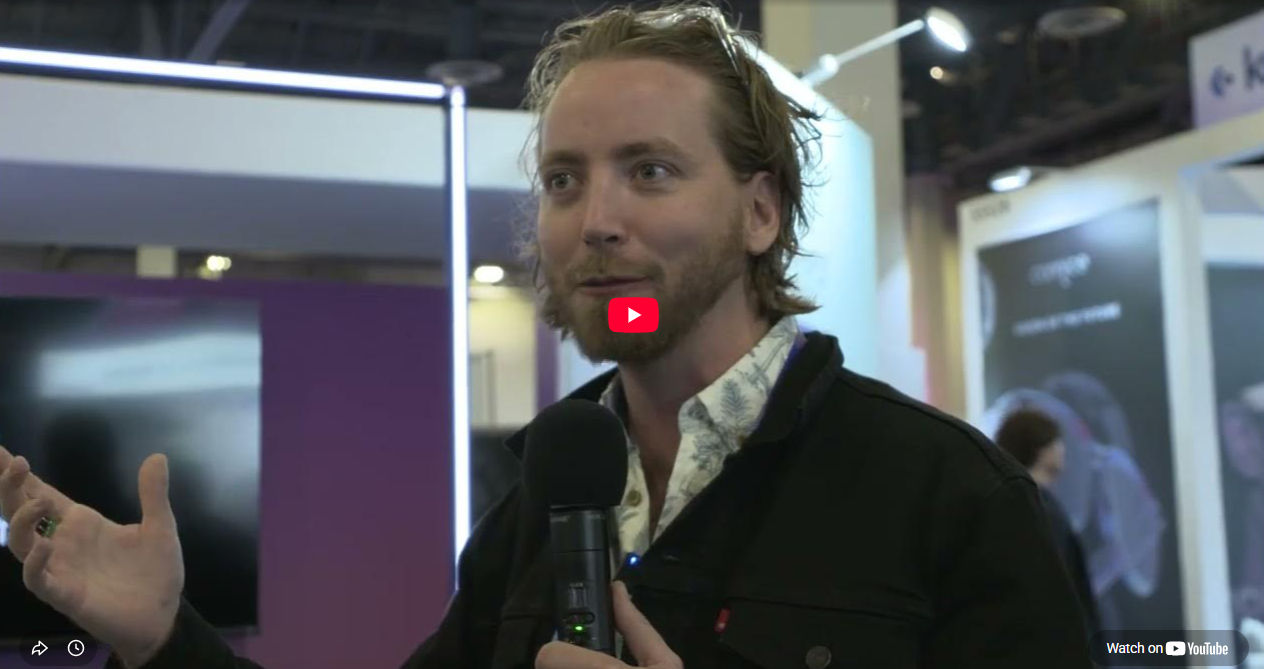
![AI with a sense of touch. Overcoming spatial limitations for remote surgery, factory control, etc. [CES 2025]](https://images.squarespace-cdn.com/content/v1/67ae1b06a3d57f0118cec557/1783711526446-Y0DMZ3DRJVTY04AIOCGA/20250107010702271760011_b.webp)


COMMON QUESTIONS
Common Questions
-
It adds tactile cues such as pressure, resistance, and contact, helping training environments move beyond visual-only simulation.
-
Yes. Haply devices can support surgical and procedural training workflows when integrated into the appropriate simulation environment.
-
Yes. Haply devices can support procedure-specific medical simulation where tactile realism, force feedback, pressure, resistance, texture, and tool interaction are important. Product fit depends on the procedure, simulation environment, and performance requirements.
-
Inverse3 is a common starting point. Inverse3x may be appropriate for higher-performance or more demanding simulation environments.
Designing a medical simulation workflow?
Talk to an Expert about force feedback, training realism, and the right Haply product path.