

Haply Robotics: Rapid Prototyping With the Fuse 1 | FormLabs
In this post, we learn how Haply Robotics has used various 3D printing technologies, and why they purchased a Fuse 1.
By integrating computer science and engineering, robotics is transforming the healthcare industry. Robots are now being used for tasks ranging from disinfecting patient rooms to assisting in laboratories. In surgery, where precision is critical, robotics has the potential to reduce medical errors, which account for more than 400,000 deaths annually in North America.
Haply Robotics, a Montreal-based company founded in 2018, develops robotic systems that help surgeons perfect procedures before entering the operating room. Their flagship force-feedback console, often described as the "PlayStation for Surgeons," allows medical professionals to practice over 260 surgical procedures in realistic virtual and augmented reality environments, helping improve surgical outcomes and reduce patient risk.
To accelerate product development, Haply brought 3D printing in-house, using FDM, SLA, and SLS printing technologies for rapid prototyping. This article explains how different printing methods supported their development process and why they invested in the Formlabs Fuse 1.
Starting the Collaboration with Developing Ventilators for COVID-19
Felix Desourdy, Head of Mechanical Engineering at Haply Robotics, met co-founders Colin Gallacher and Steve Ding while working on haptic surgery simulation at the National Research Council of Canada in 2018. Their shared interest in rapid product iteration became the foundation of Haply's development approach.
When a major government collaboration was paused during the COVID-19 pandemic, the team entered the CODE LiFE Ventilator Challenge, an international competition to design an affordable and easy-to-build ventilator.
Among more than 2,600 registrations from 94 countries, Haply's ventilator was selected as the winning design because of its simplicity, affordability, and ease of training.
Colin Gallacher described the challenge as one of the most rewarding experiences for the company, emphasizing their motivation to improve access to life-saving medical technology worldwide.
The team used the Formlabs Form 3 printer with Tough Resin to manufacture functional internal ventilator components. Having an in-house printer allowed them to iterate quickly and build production-quality parts during the pandemic.
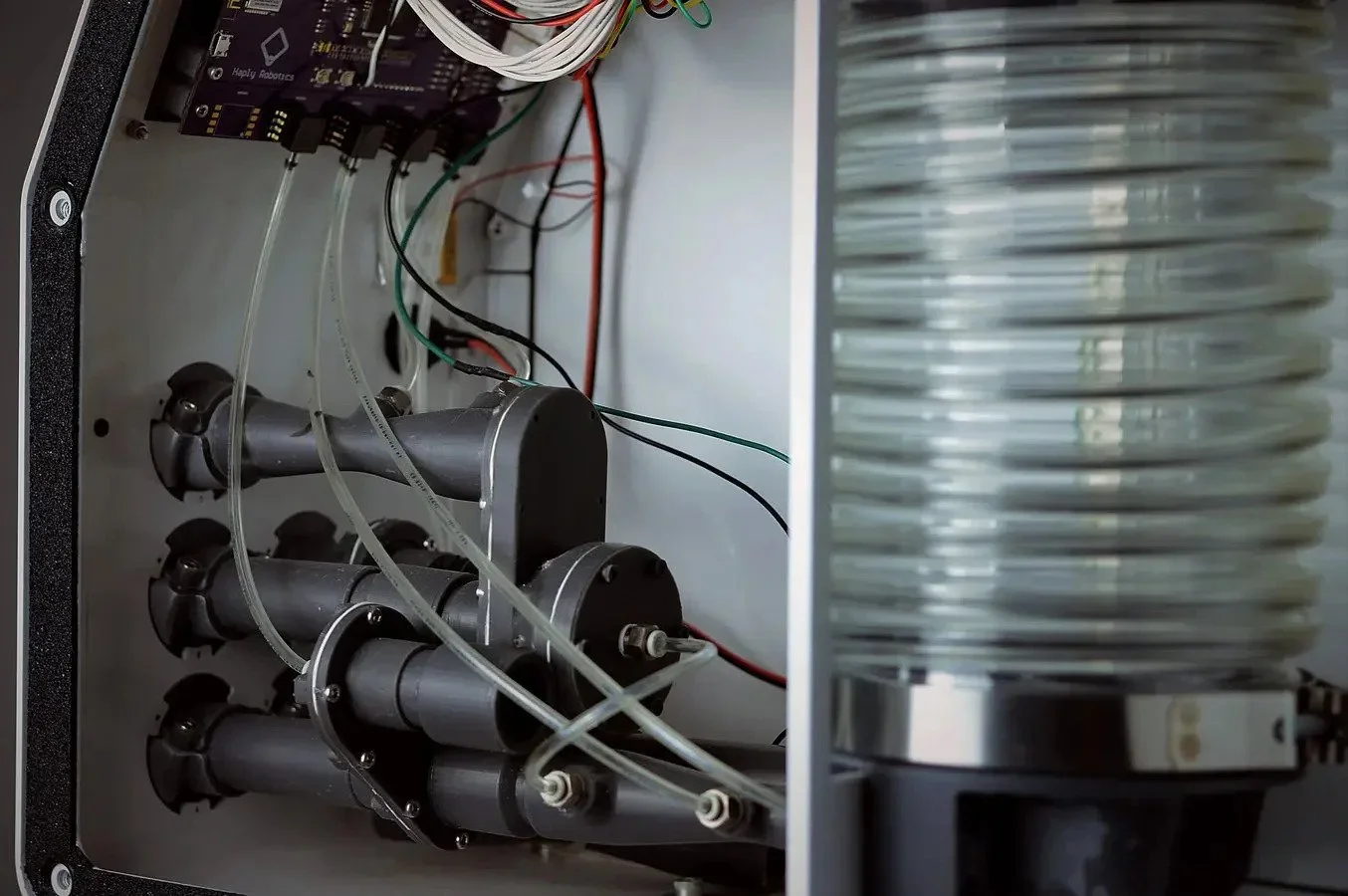
Desourdy explained that Tough Resin was ideal because it could be sealed without leaking after drilling and adding fittings, while offering material properties similar to ABS plastic.
The article also links to additional information about the CODE LiFE Ventilator Challenge.
Rapid Prototyping the Perfect Design
After completing the ventilator project, Haply returned its focus to developing advanced haptic devices for surgical simulation.
Rapid prototyping became one of the company's greatest advantages. Using desktop 3D printers, engineers could print multiple versions of the same component until achieving the ideal ergonomics and geometry.
According to Desourdy, modern product development is about creating prototype after prototype until the perfect design is found.
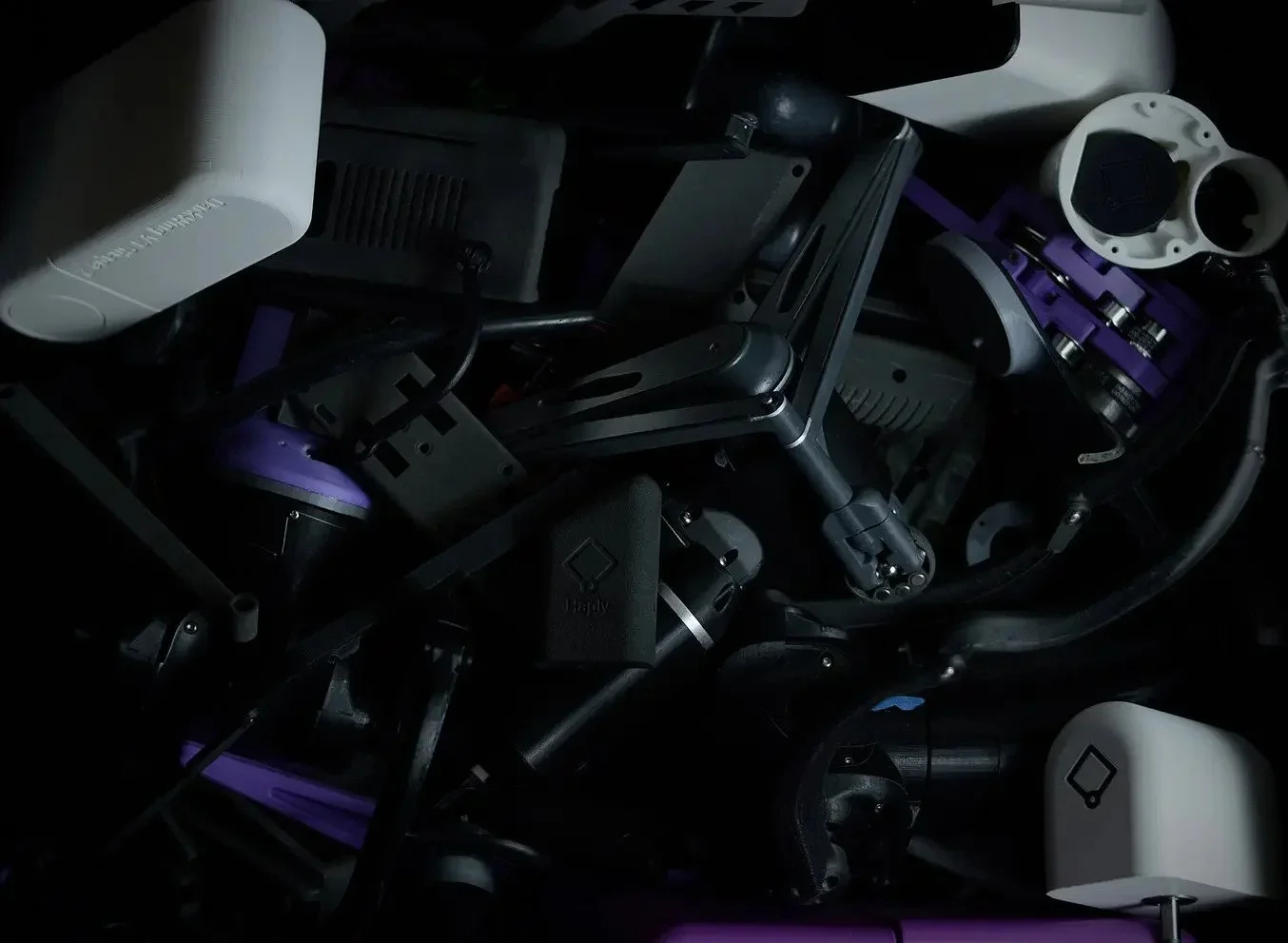
Initially, Haply relied on affordable FDM printers because of their low cost and fast print speeds. As the products matured, they needed higher-quality prototypes and invested in Formlabs Form 2 and later Form 3 SLA printers.
Since the devices interact directly with surgeons' hands, achieving the right balance of comfort, stiffness, and geometry required continuous testing and refinement.
Desourdy explained that geometry should be perfected before changing materials because structural design has the greatest impact on stiffness and performance.
Prototyping End-Use Parts With the Fuse 1
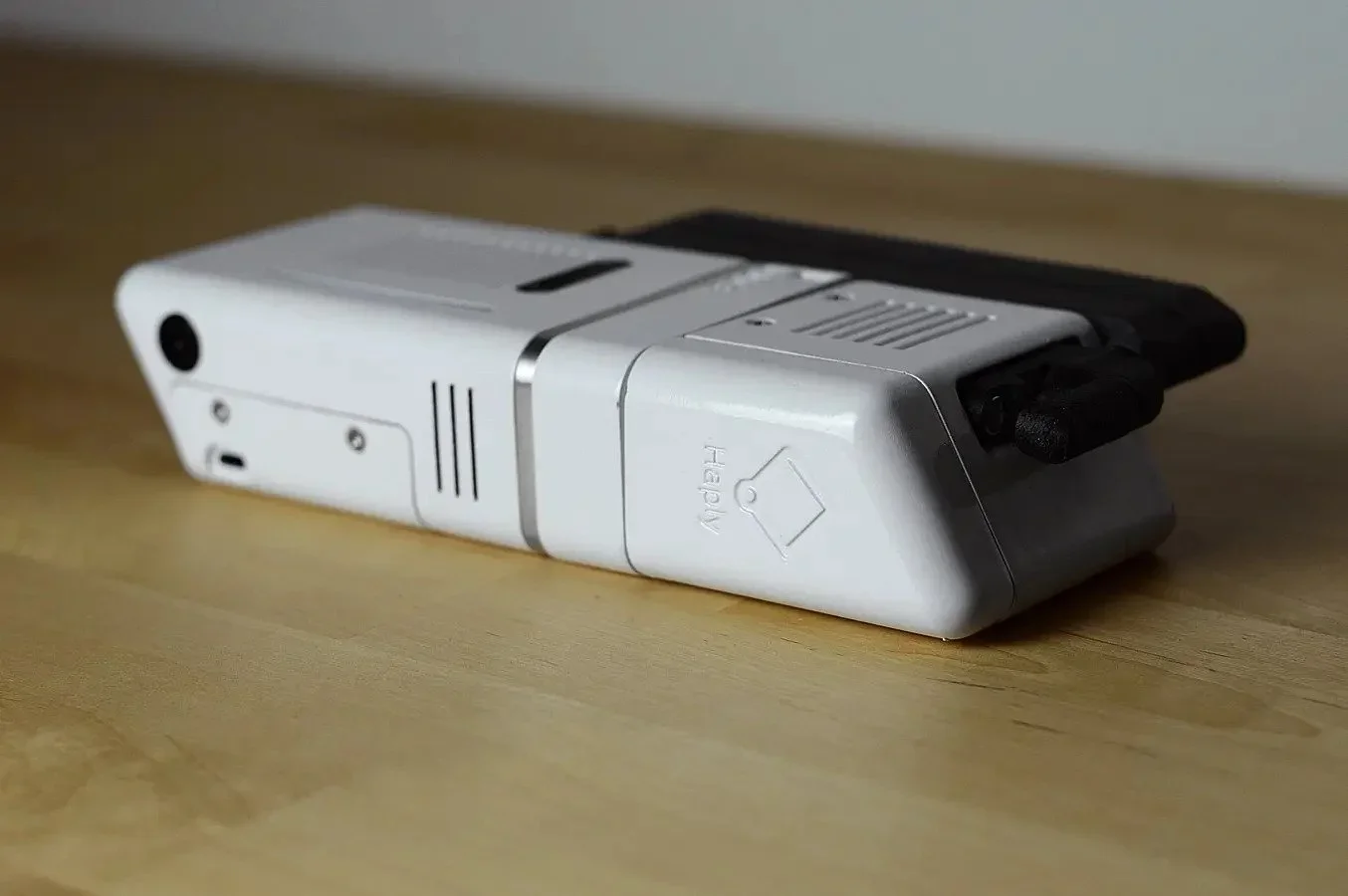
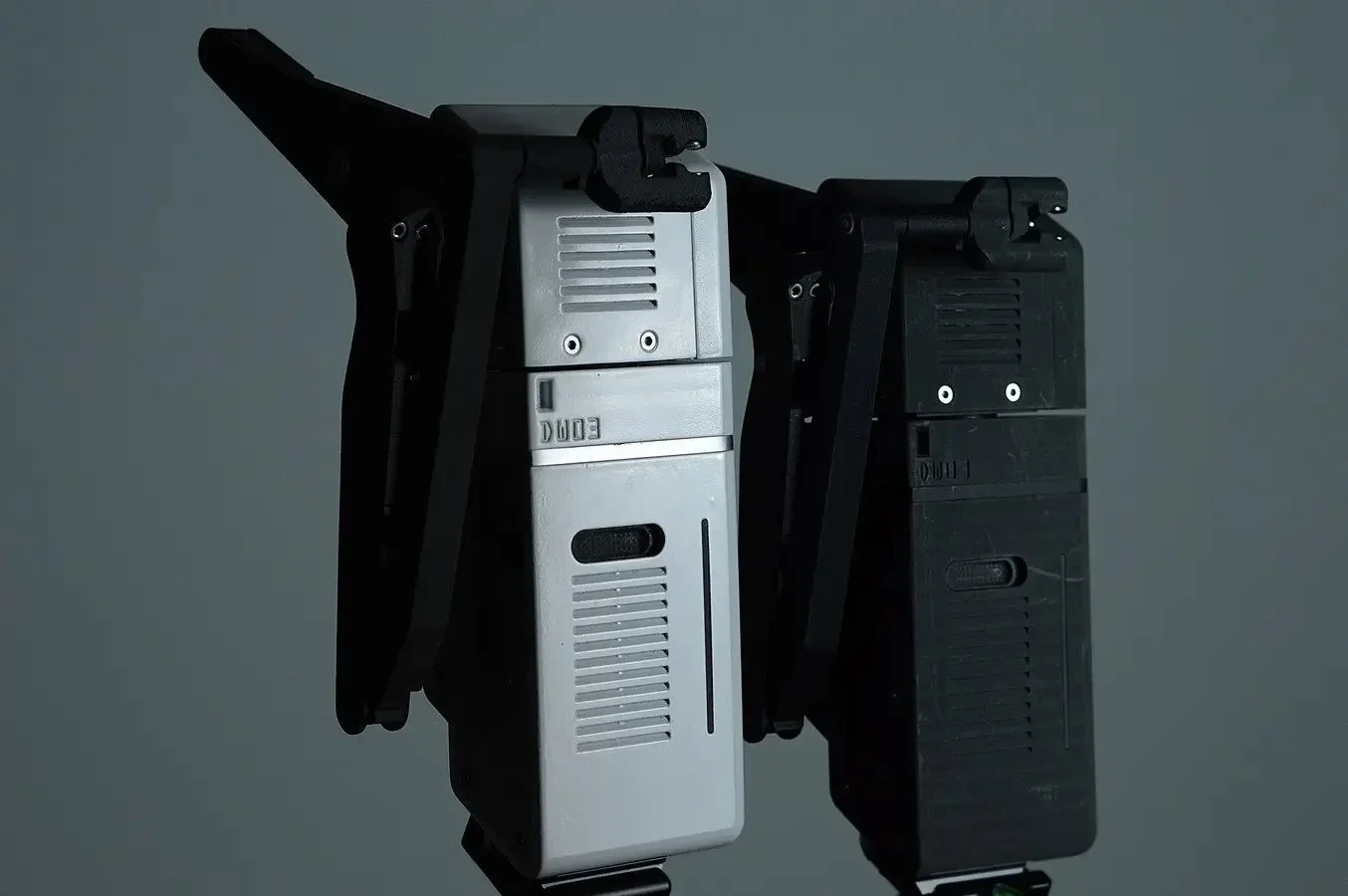
As development progressed, Haply added the Formlabs Fuse 1 SLS printer to produce nylon parts much closer to final production quality.
Previously, nylon prototypes had to be outsourced, causing delays and inconsistencies. With the Fuse 1 in-house, engineers could produce stronger functional prototypes within two days instead of waiting nearly a week.
Because the team controlled the printer themselves, they also gained greater consistency in tolerances, materials, and overall quality.
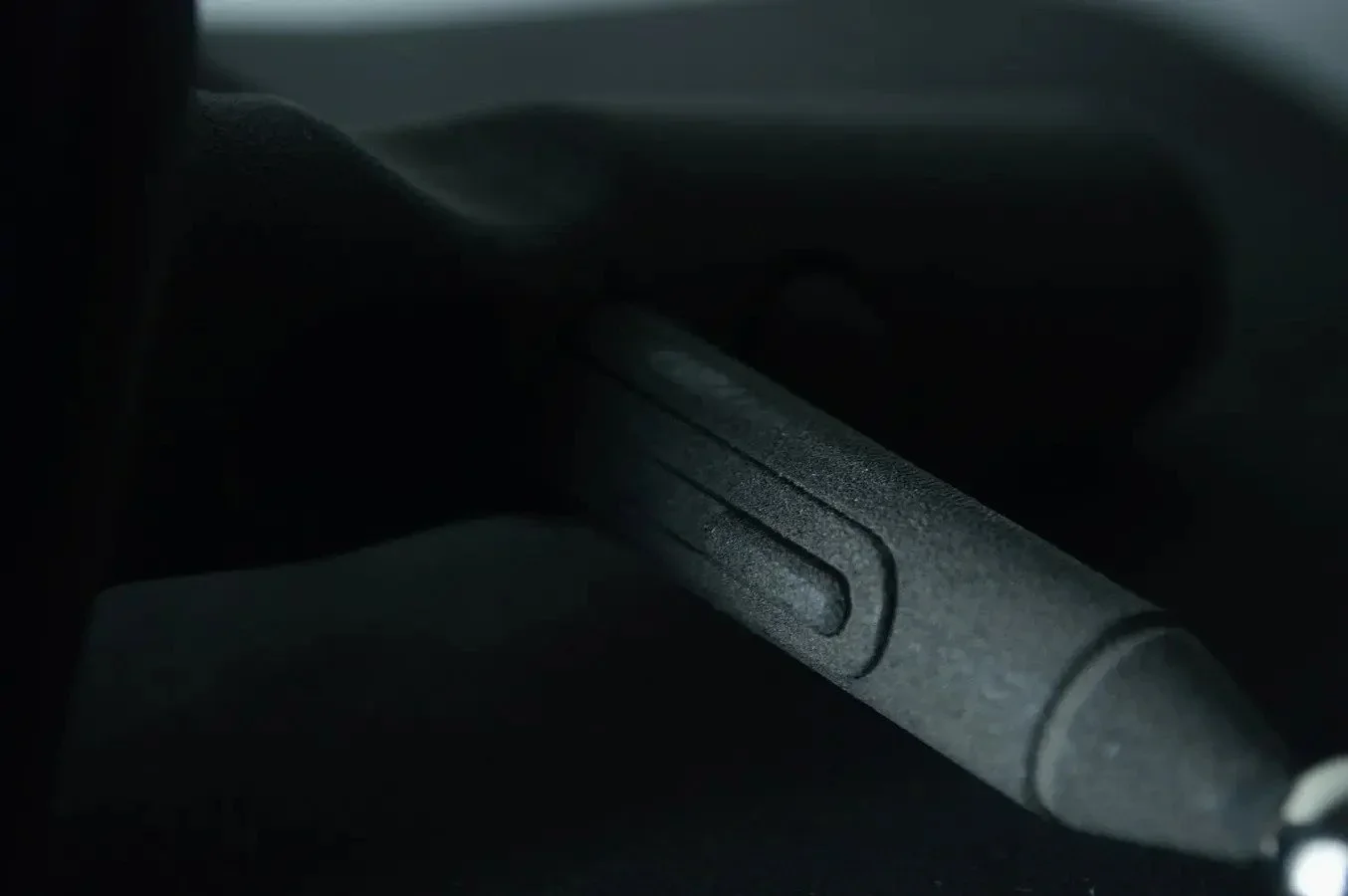
Desourdy explained that outsourcing meant giving up control over print orientation, machine calibration, and material quality.
He also noted that the Fuse 1's compact footprint made it suitable for a growing startup, especially compared with much larger industrial SLS systems.
Jessica Henry, Product Owner at Haply Robotics, added that the Fuse 1 streamlined development because even tiny design changes could dramatically improve robotic arm performance.
The printer also allowed multiple parts to be manufactured in a single print cycle, greatly increasing productivity.
Another major advantage of SLS printing was that it required no support structures.
Unlike FDM or SLA printing, where one surface is sacrificed for supports, the Fuse 1 allows parts to be printed in any orientation while preserving fine details.
Desourdy explained that this changed his design philosophy, allowing him to focus on engineering instead of worrying about print limitations.
The team also began exploring painting and dyeing techniques to create more production-ready prototypes.
Learn More About Fuse 1
Although the Fuse 1 was initially purchased for prototyping, Haply Robotics plans to use it for small-batch manufacturing as well.
Desourdy believes the printer is suitable not only for creating prototypes but also for producing final-use parts.
Jessica Henry added that having in-house manufacturing allows products to continually evolve because components can always be updated or improved.
The article also highlights how other healthcare companies are using the Fuse 1 to manufacture medical devices, prosthetics, and patient-specific healthcare solutions.
One customer commented that industrial SLS printers were previously too expensive for small businesses, but the Fuse 1 finally made the technology accessible.
The article concludes with a link to learn more about the Formlabs Fuse 1 and references the original article on Formlabs.
Excerpt
Dubbed the “PlayStation for Surgeons,” the Haply inverse force-feedback console allows surgeons to simulate operations before they perform them, with the goal of decreasing the risk to patients and improving surgery times.
